Understanding the Role of Eksibitor in Modern Events
In today's competitive marketplace, the role of an Eksibitor extends beyond merely showcasing products. Whether at trade shows, exhibitions, or conferences, these key players are pivotal in creating impactful experiences that resonate with visitors. With the rapid evolution of digital marketing and audience engagement strategies, the landscape for exhibitions is changing, bringing forth new opportunities for businesses and brands alike. Understanding the multifaceted responsibilities and the significance of being an Eksibitor can help companies navigate the complexities of modern events successfully. When exploring options, Eksibitor provides comprehensive insights into enhancing brand visibility and engagement.
What Defines an Eksibitor?
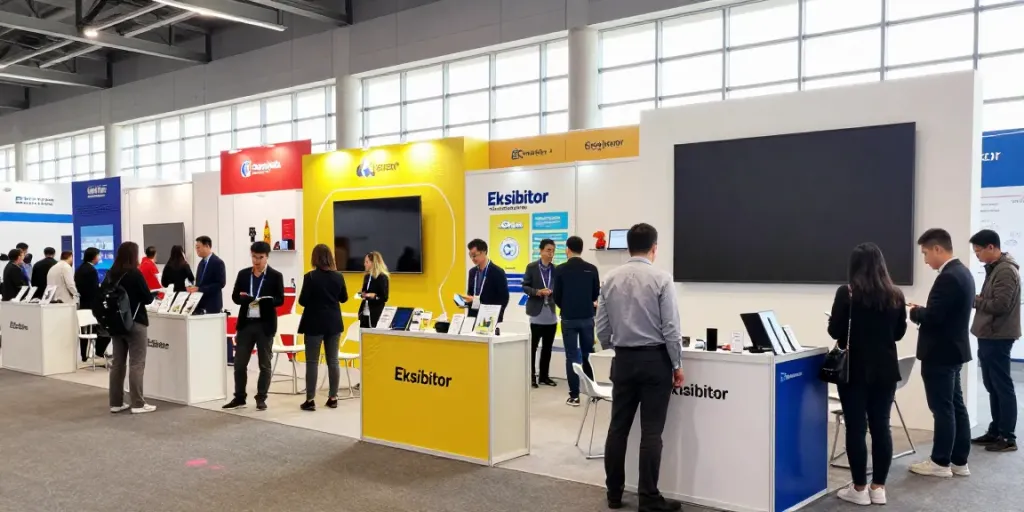
An Eksibitor, or exhibitor, is an individual or organization that displays products, services, or information at an exhibition or trade show. The primary goal of an Eksibitor is to attract potential clients, generate leads, and strengthen brand awareness among industry peers. The role encompasses various responsibilities including booth design, product demonstrations, and engaging with attendees. An effective Eksibitor possesses thorough knowledge about their offerings and the ability to communicate their value proposition effectively.
The Importance of Exhibitions in 2026
Exhibitions are crucial for several reasons in 2026. They provide a unique platform for direct interaction between buyers and sellers, which is increasingly important in a predominantly digital age. Events allow exhibitors to showcase their products and services in a tangible format, facilitating immediate feedback and connection. Networking and relationship-building are also integral to exhibitions, as they pave the way for potential partnerships and collaborations. Furthermore, industry-specific trade shows highlight emerging trends and innovations, keeping participants informed about changes in their sectors.
Key Industries Leveraging Eksibitor Opportunities
Various industries are capitalizing on the opportunities presented by exhibitions, including:
- Technology: Tech companies frequently use exhibitions to introduce new products and software solutions, engaging a tech-savvy audience keen on innovation.
- Food and Beverage: Food expos allow brands to showcase new flavors and products, engaging attendees through tastings and demos.
- Health and Wellness: This sector often focuses on promoting health innovations, medical devices, and wellness programs, targeting both consumers and industry professionals.
- Manufacturing: Manufacturers exhibit machinery and technology solutions, often showcasing advancements in production efficiencies and sustainability.
Challenges Faced by Eksibitors Today
Common Misconceptions About Being an Eksibitor
Many people misunderstand what it means to be an Eksibitor. A prevalent misconception is that simply having a booth at an event guarantees success. In reality, the effectiveness of an exhibition depends on strategic planning, targeted marketing, and active engagement with attendees. Additionally, it's essential to recognize that not all exhibitions will yield immediate sales; some may serve primarily for brand building and long-term relationship development.
Navigating Competition in Exhibitions
The exhibition landscape is often crowded, leading to fierce competition among Eksibitors. To stand out, it is crucial to adopt a unique approach to booth design and visitor engagement. Utilizing visually appealing displays, interactive demonstrations, and promotional giveaways can significantly enhance visibility and draw in more attendees. Understanding competitors' strengths and weaknesses allows Eksibitors to position themselves more strategically.
Resource Management: Time and Budget Constraints
Effective resource management is a common hurdle for Eksibitors. Balancing the budget allocated for exhibitions with the need for high-quality materials, booth design, and promotion can be challenging. Prioritizing investments that yield maximum ROI is essential. This may involve selecting the right exhibitions aligned with business goals, as well as utilizing digital marketing strategies to amplify the reach before, during, and after the event.
Best Practices for Effective Exhibiting
Engaging Visitors: Strategies That Work
To maximize visitor engagement, Eksibitors should focus on personalized experiences. This can be achieved through interactive displays, live demonstrations, and real-time feedback opportunities. Implementing effective pre-event marketing campaigns to attract visitors can also boost foot traffic to the booth. Additionally, offering exclusive promotions or giveaways can incentivize attendees to interact with the brand.
Utilizing Technology in Exhibitions
Incorporating technology can significantly enhance the exhibition experience. Virtual reality (VR) and augmented reality (AR) can provide immersive experiences that captivate visitors. Digital signage and interactive kiosks can relay information quickly and effectively. Moreover, utilizing event apps can facilitate networking and attendee engagement, allowing for seamless follow-ups after the event.
Designing Attractive Booths for Maximum Impact
The booth design plays a crucial role in attracting attendees. Elements such as color schemes, lighting, and layout should create an inviting atmosphere. Innovative designs that incorporate multi-sensory experiences can leave lasting impressions on visitors. Ensuring that brand messaging is clear and prominent within the booth will help reinforce brand identity during the event.
Real-World Success Stories
Case Studies of Successful Eksibitors
Examining successful Eksibitors provides valuable insights. For instance, a tech startup that focused on interactive demos and real-time user feedback saw a 50% increase in leads compared to previous events. By shifting their strategy toward engaging presentations and providing hands-on experiences, they stood out among their peers.
Lessons Learned from Past Events
Many Eksibitors learn valuable lessons from past events that influence their future strategies. Key takeaways often include the importance of pre-event marketing, effective follow-up campaigns, and the necessity of adaptable booth designs that can swiftly respond to visitor interests.
Innovative Ideas that Captured Attention
Implementing innovative ideas can differentiate an Eksibitor from competitors. Gamification, where visitors engage in fun activities related to the brand, can create memorable experiences. Additionally, integrating social media engagement within the booth (such as live feed displays of social media posts) can enhance real-time interaction and visibility.
The Future of Eksibitor and Exhibitions
Trends to Watch for in 2026 and Beyond
As the exhibition landscape evolves, several trends are emerging. Sustainability is becoming a critical focus, with increasing attention on eco-friendly materials and practices. Hybrid events that combine in-person and virtual components are likely to gain traction, offering flexibility to both exhibitors and attendees. Additionally, data analytics will play a more significant role in evaluating event success and attendee engagement.
How to Prepare for Upcoming Changes
To stay competitive, Eksibitors must remain adaptable and proactive in understanding market shifts. Investing in training for staff to improve engagement skills and keeping abreast of technological advancements will be pivotal. Regularly assessing the effectiveness of past strategies will inform future planning and execution.
The Evolving Role of Eksibitor in Business Networking
The role of Eksibitors is continuously evolving, transitioning from merely showcasing products to becoming integral in fostering business relationships. Networking platforms and opportunities at exhibitions will remain essential in fostering partnerships. Adaptability and an understanding of industry dynamics will be key for Eksibitors looking to thrive in the future landscape of exhibitions.
What is an Eksibitor?
An Eksibitor is a participant in an exhibition who presents products or services to attendees.
How do I become an Eksibitor?
To become an Eksibitor, businesses must register for specific events tailored to their industry, often involving a fee and adherence to guidelines set by event organizers.
What are the costs associated with being an Eksibitor?
The costs can vary widely, including booth rental fees, design and setup expenses, staffing costs, promotional materials, and travel expenses.
What types of events do Eksibitors typically participate in?
Eksibitors commonly participate in trade shows, consumer expos, and industry conferences relevant to their business sector.
How can Eksibitor improve their visibility at events?
Improving visibility can be achieved through effective booth design, engaging marketing materials, and active participation in event programming, such as speaking engagements or workshops.